Sound as a Sublustrum mechanic
Tune, listen, and treat the original organophone and valves as history — the remake is allowed to change the instruments.
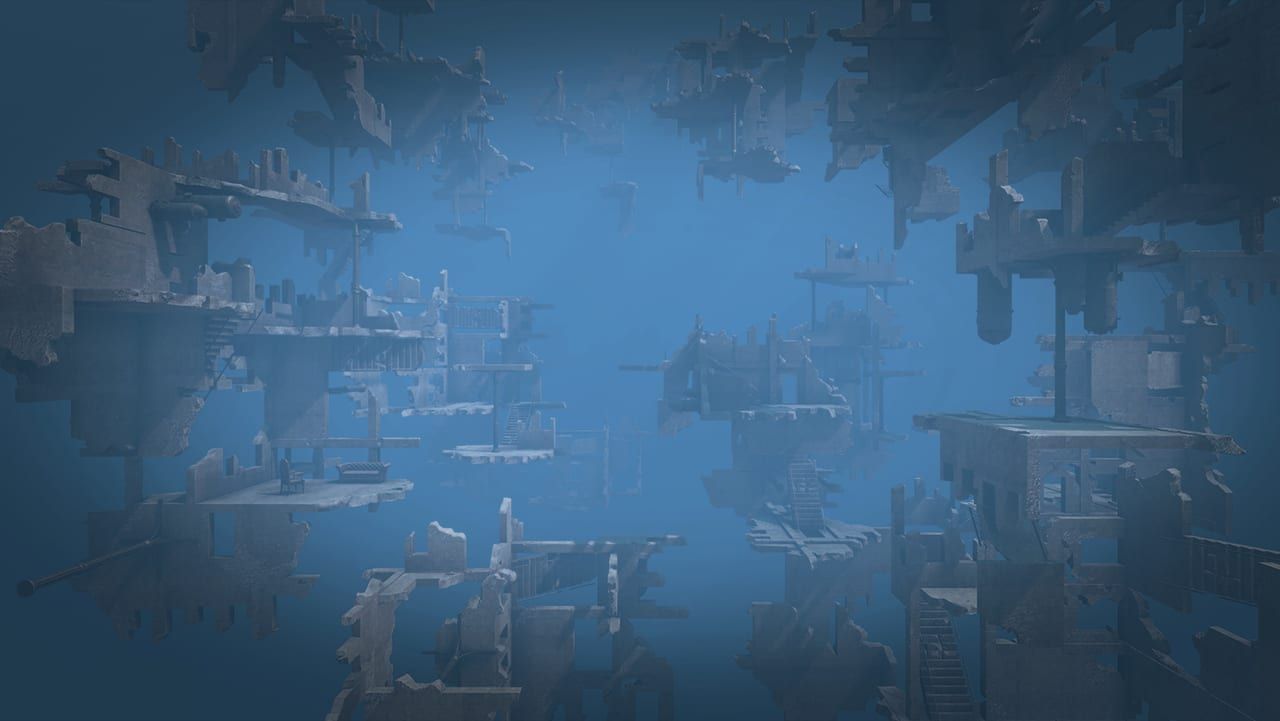
Sublustrum does not sprinkle music on top of a conventional adventure. Sound is how you know a machine is honest. The 2008 original won Best Sound Design at the KRI awards for a reason, and the 2026 remake still advertises audio as something you play, not only something you hear. Official copy is blunt: tune frequencies, follow voices through static, and interpret what arrives. One entire location is a vast musical instrument that must be played and tuned before it lets you through.
This page is about that design. Movement and session habits live in How to Play Sublustrum. Room-by-room geography lives in Sublustrum Locations. Step-by-step 2008 routes live in the original walkthrough primer and should be treated as historical. The score’s origin story belongs with the soundtrack page; this article only uses it where it explains a puzzle.
Why the puzzles are audible
Georgy Beloglazov did not reverse-engineer a quest and then hire a composer. Sublustrum began as an idea for an interactive album from his project Anthesteria (he later co-composed on Metro 2033). Rooms were imagined as tracks. Interactivity was a way to change a piece of music, not a way to pad runtime. That origin still shows. When a device is correct, the world often tells you with timbre: noise becomes a tone, a harsh scrape becomes a note, a room stops feeling empty.
The remake keeps associative, lateral-thinking challenges. You are meant to connect a diary sentence, a drawing, a childhood memory, and a frequency. You are not meant to brute-force a padlock with a walkthrough open in the other monitor — though the original’s more opaque sliders drove plenty of people to do exactly that. If a 2026 puzzle feels like it wants you to guess a five-digit code from nothing, look for a sound first, then a document, then a shape in the room.
Headphones are the closest thing this genre has to a difficulty setting. Stereo placement, low drones, and the difference between a thud and a pitched knock disappear on thin laptop speakers. The Steam specs mention a DirectX-compatible sound card; they do not need to say “wear headphones” for it to be the right advice.
Gravity, time, and machines that are also places
Not every challenge is a keyboard. The remake’s public language lists shifting gravity and temporal distortions beside sound. In practice that means a space can reorient, overlap, or ask you to operate it as if you were inside the mechanism. The original already played with time as a tool: a crafted “time key” let the writer step into a past cruelty and change what a peephole showed. Expect the remake to rebuild that idea in 3D rather than as a still image with hotspots, and expect new distortions that did not fit the 2008 budget.
When gravity shifts, stop looking for a HUD flag and walk. The floor you trusted may now be a wall with the same wallpaper. When time distorts, note what objects exist in which state — a wire that is connected in one hour and severed in another is a puzzle piece, not set dressing. Sound still referees these scenes. A correct orientation often has a correct resonance.
Historical 2008 examples (may change in the remake)
The following solutions are from the original point-and-click game. They are here so veterans can remember why people still talk about the organophone, and so newcomers understand the kind of listening the studio likes. Do not type them into the 2026 playtest and assume the bars still line up. Puzzles are being reworked for free movement.
Organophone. In the brother’s office sat an instrument visitors treated like a piano. A left-hand switch lit two small bulbs. Five bars on the right had to be raised until the sound of each one changed from rustle or noise into a distinct tone; a large bulb confirmed the set. A widely documented original configuration, counting positions from the bottom, ran 2, 5, 7, 5, and 4 from left to right. That pattern also became the capsule’s numeric code. The organophone was never just scenery. It was a tuner that taught you the game’s grammar: change one control, wait, listen, leave it when the timbre flips.
Basement valves. Below the greenhouse, four valves had to be zeroed to a mark and then turned a documented number of clicks (original players often described a six / skip / two / three pattern after finding the zero). A toggle then released water you needed for the plant work. The diaries were the legend; the pipes were the staff paper. If you ignored the notes, the basement was a row of identical wheels.
Albertia and the capsule. The original mixed plant extract, ether, and alcohol into an inhaler, seated it in the diving-bell capsule, fitted a mask, opened a red wheel, entered the organophone code, and pulled a lever. That sequence is a ritual as much as a puzzle: you do not “beat a boss,” you prepare a descent. The remake still centres a machine that immerses a mind. The steps around it are allowed to be different.
Harp tower. Later in the original, a multi-floor tower asked you to aim a harp toward the loudest, most correct sound (players used a flare of light on the instrument as a hint), set valves, collect pollen from a mechanical flower, pollinate another, and seat a metal fruit in a core. It is the clearest ancestor of the remake’s “vast musical instrument” location. You play the building. You do not loot it.
Desert and bridges. Other 2008 set-pieces mixed sound less obviously: tram turbines, safe codes revealed by wiping a number plate, iron bridges driven by switches and a spare gear. Even there, the right state often had a mechanical voice — water in a radiator, a panel of wires that only opened after a handle sang through its travel. Lateral thinking still applied. The code was on the car. The map was torn. The temple hid an embryo that belonged in a machine, not in a church.
How to approach remake puzzles without a spoiled brain
Change one variable at a time. Wait through the decay of a sound before you call a setting wrong. Read the last document you picked up; the original hid scissors in notes people had already “found.” Walk around a device in 3D. The answer may be stamped on the side you never faced in 2008. If you are truly stuck, leave and come back after another room. Association needs two ideas in memory at once.
Do not import a full original route into the first-chapter playtest. Finish Getting Started with Sublustrum first if you still need wishlist and Request Access more than you need bar positions. The apartment may still teach listening, but the bars, clicks, and codes are the first things a 3D redesign would throw out. If you want the old route as a museum piece, keep it on the original walkthrough page. If you want to know which spaces those instruments sat in, cross-check Locations. If you want the brother’s motive rather than the sliders, use Sublustrum Story Explained. Extra finales after the last instrument are endings territory.
Compared with the 2008 game, you should expect more playable space around each device and fewer “click the tiny hotspot” failures. You should not expect the puzzles to become combat, QTEs, or match-three. The team that includes veterans of much louder games is still making an adventure that wants you quiet.
When you write playtest feedback, describe what you heard, not only what you clicked. “The third string never left noise” is more useful than “puzzle bad.” That is the kind of report a sound-first remake can actually act on. For a wider map of this category, return to the Guides Hub or the original versus remake comparison if you are trying to unlearn a specific 2008 solution. The review can wait until you have been stuck, and then unstuck, at least once.
Frequently Asked Questions
Quick answers to the most common questions.
Will the 2008 organophone code work in the remake?
Do not count on it. Those bar positions are historical. Confirm new solutions in play, and use the original walkthrough primer only as a museum of old answers.
Why does everyone say to wear headphones?
Because correct settings are often a change in timbre, not a UI tick. How to Play also treats listening as a primary verb.
What is the organophone?
In the original, a bar-and-bulb instrument in the brother's office that doubled as the capsule code. The remake still builds rooms that behave like instruments; see locations for the harp tower's place in that lineage.
Are gravity and time real mechanics or flavour?
The studio lists shifting gravity and temporal distortions as puzzle tools, not trailer adjectives. Walk the new orientation; do not wait for a combat tutorial.
Is the soundtrack just background music?
No. The project started as an interactive album idea. Track-level context sits on the soundtrack page.
Should I look up solutions before the playtest?
For the remake, no. For understanding 2008 design, read this page and original versus remake without importing codes into the new build.