Sublustrum Getting started before launch
Wishlist, request the first-chapter playtest, set up headphones and an SSD, and know what the brother's apartment actually asks of you.
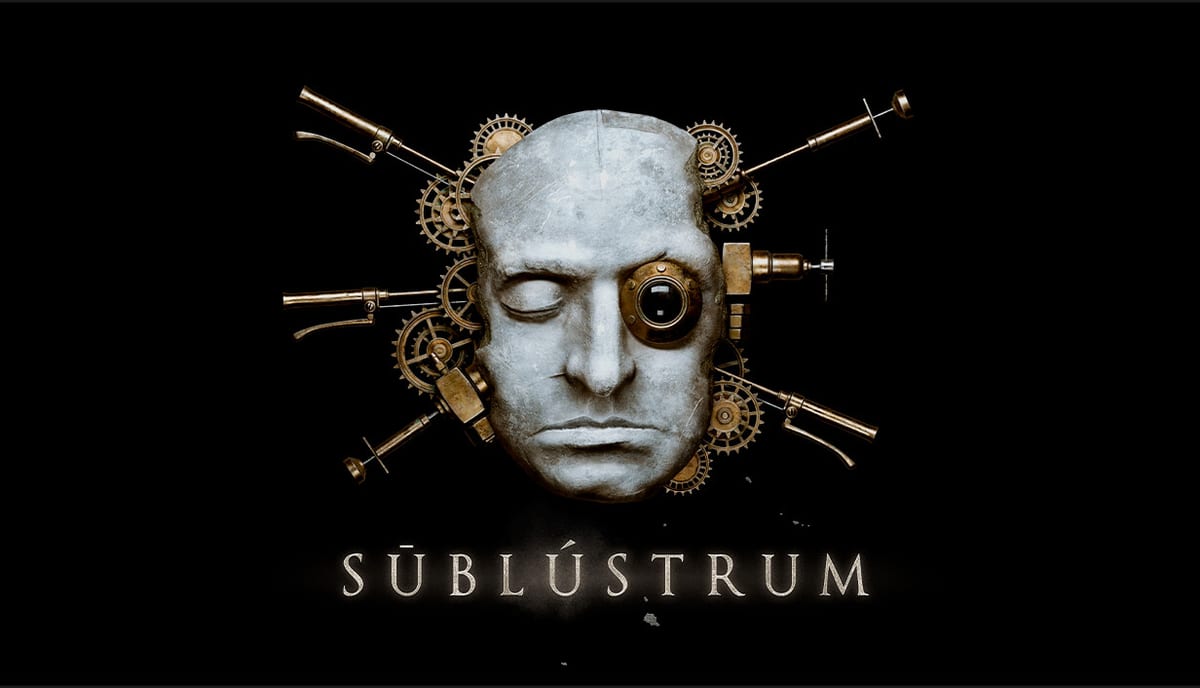
You do not need a loadout, a raid group, or a day-one meta to start Sublustrum. You need a Steam account, a quiet room, and the right expectations. The 2026 remake from Phantomery Interactive and Brickworks Games is a first-person psychological adventure. The finished product is scheduled for Fall 2026 on PC via Steam and on consoles that have not been named. It is not sold as a complete game yet. What you can do now is wishlist the store page, request the chapter-one playtest, check that your PC will not choke on photoreal interiors, and decide whether you want any 2008 story in your head before you step into the apartment.
This page is the practical checklist. For movement, listening, and the lack of a combat loop, continue with How to Play Sublustrum. For the premise without late-game identity talk, skim the opening of Sublustrum Story Explained. For dates, use the playtest and release date pages rather than rumour threads.
Wishlist, Request Access, and what those buttons actually mean
Open Steam app 4151300 and add Sublustrum to your wishlist. That is the only official way to get a launch ping when the Fall 2026 build is actually for sale. Price is unannounced; do not budget around a leaked number. On 15 June 2026 the studio publicly thanked players for 50,000 wishlists. Treat that as community heat, not as a review score.
The playtest is separate from buying the game. A Steam playtest of the first chapter started on 4 September 2026. On the store page, find the Sublustrum Playtest block and use Request Access. You are asking to be let into a slice of an unfinished remake, not unlocking a second campaign. If the button is greyed out, you are waiting on Valve and the developer, not on a wiki. The wishlist guide walks through the store-page clicks if you have never used those features.
Do not confuse the playtest with the original 2008 disc. Outcry / Sublustrum from Phantomery’s first run is a different binary. The studio has said the original will also come to Steam later; that is not the build you request in September 2026.
Hardware that actually matters
You will not need a battle-royale GPU. You will need a machine that can hold photoreal rooms, vintage-lens post-processing, and film grain without hitching while you listen. Steam publishes minimum and recommended specs; this page will not reprint the table. Compare your rig on the system requirements page.
Two notes from those specs are worth repeating in a getting-started guide. An SSD is strongly recommended. Psychological adventures punish hitching more than shooters do: you are staring at a valve, a diary, or a capsule hatch, and a texture pop breaks the trance. Headphones are not listed as a hard requirement, but they might as well be. Sublustrum Sound Puzzles exist because the original was born as an interactive album idea from Anthesteria. If you play on laptop speakers, you will miss the cue that a bar, a harp string, or a pipe is in the right place.
Set the room up like a film, not like a multiplayer night. Dim the lights if you want the aged-grain look to land. Keep a notepad if you like writing frequencies, codes, or diary dates by hand. The remake is single-player. Nobody is coming through the wall to revive you.
What the first hour is like
Expect an apartment, not a tutorial firing range. You arrive at a missing brother’s home. The place is furnished like late imperial Russia: gramophone, papers, industrial experiments that do not belong in a writer’s sitting room. The brother’s last experiment is a machine — in the original, a capsule that reads like a diving bell — built to immerse a human being in the subconscious. Your job in that first stretch is to look, read, listen, and repair enough of the apparatus to follow him.
Do not expect a combat encounter, a skill tree, or a companion AI. The verbs are walk, look, pick up, read, tune, and operate. Notes and recordings do more work than cutscenes. If a device has sliders, valves, or keys, the solution is probably in a diary you already walked past, or in a sound you have not waited for. The original first chapter lived almost entirely in that apartment, greenhouse, basement, and capsule. The remake expands chapters and rebuilds the rooms as free 3D, so the first hour may be longer and less linear than veterans remember. It should still feel like a house, not like a hub town.
If you have never seen the 2008 opening, the video on this page is a historical walkthrough of Outcry part 1, not a remake guide. Use it to understand tone and the kind of object interaction the studio cares about. Do not copy codes from it into the 2026 playtest and assume they still work.
What not to bring into the playtest
Leave speedrun muscle memory at the door unless you are here to test performance. Leave drop-in friend plans at the door: there is no second player. Leave horror-game dodge instincts at the door unless the playtest specifically teaches a threat. Sublustrum is tagged psychological for a reason, but its puzzles are associative and lateral, not arena fights.
Leave the assumption that this is a 1:1 remaster. Georgy Beloglazov has been clear that locations are rebuilt, puzzles are reworked, story branches that missed the 2008 deadline are coming back, and extra endings exist. The open ending is preserved, not replaced with a lore wiki dump.
If you do want 2008 geography in your pocket, wait until after your first playtest session, then open Sublustrum Locations and the original walkthrough primer. Reading every valve combination first will only train you to look for old answers in new rooms.
After the first session
Write down anything that felt unclear: a control that was not bound, a sound you could not localise, a diary that contradicted another page. The playtest exists so the team can hear that. Then decide your next wiki stop. Movement and listening habits live in How to Play. If a machine felt like an instrument, go to Sound Puzzles. If you want the brother’s disappearance in clean language, go to Story. If you already know you will buy on day one, stay on the wishlist and watch the Fall 2026 window rather than refreshing store tags every hour.
The rest of this category is meant to be read as a set. How to Play, story, sound puzzles, locations, original versus remake, original walkthrough, endings, and the review page all sit under the Guides Hub. You do not need all of them before you click Request Access. You need headphones, an SSD if you have one, and the understanding that the first hour is a house and a machine, not a firefight.
Frequently Asked Questions
Quick answers to the most common questions.
Do I need to finish the 2008 original first?
No. The remake is built to stand alone. If you want context later, use original versus remake instead of forcing a vintage install.
Are headphones actually required?
Not as a listed spec, but you should wear them. Sound carries puzzles and story; the sound puzzles page explains why laptop speakers will hide cues.
Is there combat in the first hour?
Do not expect a combat loop. The opening is apartment, notes, and a machine. How to Play Sublustrum covers the real verbs: look, listen, operate.
How do I join the playtest?
Use Request Access on the Steam store page. The playtest article covers the 4 September 2026 first-chapter window.
What PC do I need?
Steam lists minimum and recommended specs, with an SSD strongly recommended. Compare your machine on system requirements rather than guessing from 2008 hardware.
Will this getting-started page spoil the remake?
It describes the apartment and the machine at a storefront level. Plot identity theories stay on Sublustrum Story Explained behind a spoiler heading.