Sublustrum Inspirations
Anthesteria first, then Lynch, Lopushansky, Tarkovsky, Lang, Dark City, and analog film — a mood board, not a license list.
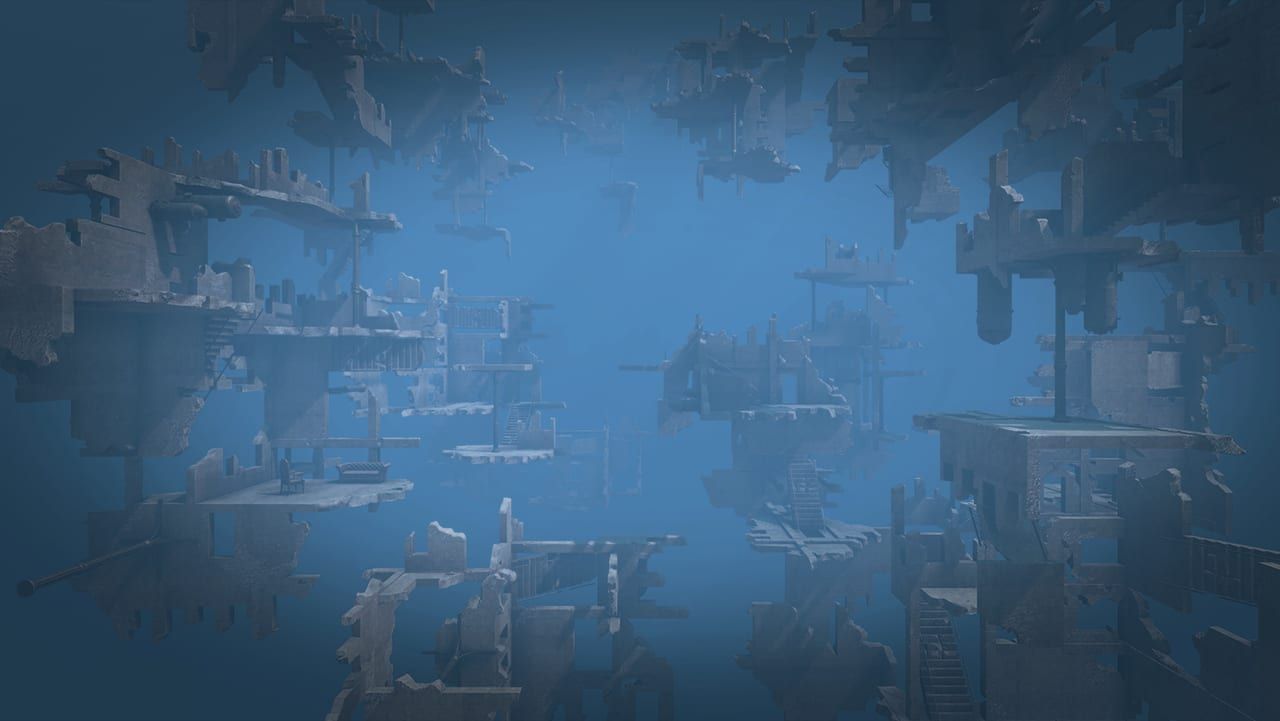
On 12 December 2025, Steam news Inside Sublustrum: Inspirations Behind the Game spelled out the remake’s mood board. Phantomery Interactive and Brickworks Games were not listing licensed crossovers. They were naming the weather the 2008 cult adventure came from, and the weather the Fall 2026 3D reimagining still wants. Georgy Beloglazov has said the game was inspired by music, and that the music appeared even before the visual direction. That order is the whole point of this page.
Sublustrum is built around atmosphere. Official copy says the world draws from decadence, steampunk, and surrealism, while the story touches the irrational and the unconscious — dreams and memories — and becomes a tale about the possibilities of consciousness and the limits of human perception. The creators’ interests, as the post lists them, include arthouse cinema, music, surrealism, psychology, the theory of infrasound, and more. Treat those names as a map the studio drew. Do not treat them as DLC packs, guest directors, or a claim that you will play as a character from someone else’s film.
The finished remake is still scheduled for Fall 2026. It is not released. The chapter-one playtest that opened on 4 September 2026 is not a film-studies seminar; it is a house and a machine. Read this page for tone. Use the soundtrack when you care how a room sounds, story for the writer and the missing brother, locations for apartment and Flickering World geography, and original versus remake for what 3D actually changes.
Music first: Anthesteria as the original document
The earliest and strongest influence is Anthesteria — Beloglazov’s project, dark ambient blended with neoclassical writing. Originally, Sublustrum was conceived as an interactive addition to a music album. In the game, music is not the background. The studio’s own sentence is that it is the soul of the entire experience.
Each location is supposed to have a sonic identity. The December post is unusually specific: a detuned piano in the professor’s apartment, Arabian rhythms in the desert, psychedelic guitar textures, or hypnotic throat singing. Often the sound determines the visuals, dictating or even imposing the emotional shape of a scene. That is why a vast location can be an instrument you must play and tune before it lets you through, and why the sound puzzles page treats listening as a mechanic rather than as garnish.
Voice direction follows the same honesty. The inspirations post says the voiceover is not professional, but authentic. In the original, players heard the real voice of a professor from the Institute of Paleozoology, recorded in his office among bones and skulls. Nothing is overly polished; authenticity takes center stage. Beloglazov has said elsewhere that he does not want glossy, sterile, perfectly acted voices floating in the dead space of a recording studio. Expect performances that sit in the grain.
The 2026 FAQ later confirmed the obvious follow-up: Anthesteria’s music is in the remake. Yes. It remains an integral part of the world. A 2026 OST store SKU has not been announced. Do not pay for a rip. The trailer audio and, if you are approved, the playtest client are the legal ways to hear the new mix.
Infrasound is on the same palette. The original’s diaries and machines cared about low frequencies that work on a body, not only on a melody. The remake still advertises sound as something you play. Headphones are how you tell a correct tone from furniture noise. That is design, not merch.
Architecture, decadence, and rooms that carry the plot
Mechanisms, interiors, and props are built with care, but the December post says the creators were guided less by specific objects and more by mood: abandoned houses and factories, forgotten basements, vintage instruments and machinery, unusual architectural elements. Even when locations are designed with plausibility in mind, the Shimmering World — the remake’s copy says Flickering World — lets reality dissolve into pure surrealism: floating staircases, buildings from the turn of the nineteenth and twentieth centuries stranded in a desert, steampunk machinery reminiscent of Dalí’s dream imagery.
The environments themselves carry the narrative. They channel the memories and subconscious of the protagonist’s absent brother. Attention to detail is an instruction: the world does not tolerate haste or clip thinking. Slow down. Look closely. Meaning is woven into the environment, waiting to be deciphered. That is the same invitation locations makes when it tells you the apartment is also a laboratory, and that a tower can be a harp.
Victorian melancholy, industrial structures, and early-twentieth-century retrofuturism are the storefront blend. Science and mysticism share a workshop. Mechanisms become vessels for a human soul. None of that is a licensed steampunk franchise. It is a temperature.
Cinema the studio named (not a crossover roster)
The visual language is influenced by cinema. The December post lists references and allusions, numbered:
- The black-and-white nightmare space of David Lynch’s Eraserhead.
- The post-apocalyptic world of Konstantin Lopushansky’s Dead Man’s Letters.
- Symbolism, atmosphere, and philosophy from Andrei Tarkovsky’s Stalker.
- Fritz Lang’s Metropolis — city aesthetics.
- The noir futuristic dystopian mood of Alex Proyas’s Dark City.
- Steampunk aesthetics, fantasy worlds, and exploration of memory in Jeunet and Caro’s The City of Lost Children.
These are touchstones. They are not levels, skins, or guest writers. You will not unlock a Lynch mode. You will not find a licensed Stalker artifact with a certificate. If a corridor feels industrial and holy at once, that is Stalker as weather. If a city of machines looms like a geometry problem, that is Metropolis as silhouette. If a child-scale memory sits inside an oversized set, that is closer to Jeunet and Caro than to a combat arena.
Lopushansky’s Dead Man’s Letters is the name Western trailers skip. Keep it. Beloglazov’s generation of Petersburg atmosphere was watching that post-catastrophe quiet as closely as it was watching Lynch. Dark City is the noir cousin: a place that rewrites itself while you sleep, which is uncomfortably close to a Flickering World built from a fractured psyche.
Analog film and vintage lenses
Store copy and interviews repeat the same visual brief. Sublustrum is styled to evoke images shaped by vintage lenses and the grain of aged film — a language meant to feel like auteur cinema and fragile dreams, not like a glossy action finish. Beloglazov has said the team rethought visual techniques for the remake, including stylization of analog film aesthetics and vintage lenses. All graphics are new. The target is not sterile 4K cleanliness.
Grain is not a filter slapped on a trailer. It is how memory is supposed to look when you walk it in 3D. Fragile edges, aged stock, light that belongs in a screening room rather than in a battle pass. If the playtest hitching makes that grain crawl, that is a performance note for Discord, not proof that the look is accidental.
Final thoughts the studio actually wrote
Sublustrum is not a game that explains itself. It invites exploration. Every shadow, sound, and detail carries meaning, waiting to be deciphered through the viewer’s own lens. When you leave, you are supposed to carry a faint echo of a melody, the shadow of a staircase leading nowhere, and the feeling that there are truths still waiting.
That paragraph is from the December post. It is also why extra endings and an open finale can coexist: the team wants you to argue, not to collect a canonical slide. The remake expands story and still refuses a single official reading. For the writer, the machine, and the spoiler line, go to story. For how 2008 nodes became walkable rooms, stay with original versus remake. For the instrument in the next hall, listen first.
Frequently Asked Questions
Quick answers to the most common questions.
Is Sublustrum a licensed Lynch or Tarkovsky crossover?
No. The December 2025 post names films as visual and philosophical touchstones. There is no licensed crossover roster.
Did the music really come before the pictures?
Yes. Official copy and Beloglazov both say the project began as an interactive companion to an Anthesteria album. See the soundtrack page.
Which films did the studio list?
Eraserhead, Dead Man's Letters, Stalker, Metropolis, Dark City, and The City of Lost Children. Mood board, not a level list.
Why does infrasound come up?
It is one of the creators' named interests, and the original used low frequencies as more than flavour. Sound-as-mechanic is covered on sound puzzles.
Is the analog film look only in the 2008 game?
No. The remake restyles 3D with analog-film aesthetics and vintage lenses. Geography for those spaces sits on locations.
Does this page spoil the remake plot?
It stays on tone, cinema, and architecture. Premise and marked spoilers live on story. Version differences live on original versus remake.